
Sovereign by design.
Hosted at OVH, in France. Two-factor authentication. Strict separation by company, by space and by person. An external AI assistant only sees what you allow it to see, and never another member's content. A 30-day trash. You export everything, at any time. You can delete the audio and keep the knowledge.
Access to your account
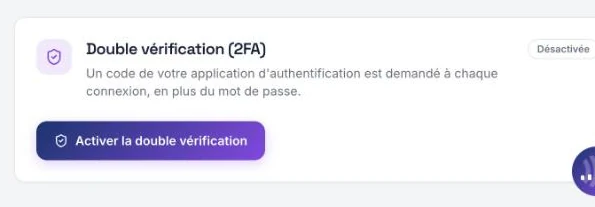
You sign in with an email and password, under a strict password policy. You can turn on two-factor authentication: an authenticator app generates the codes, and recovery codes take over if you lose access. When you change your password, every other device is signed out.
Everyone sees their own content
Separation is strict, by company, by space and by person: you see your own content, not that of other members. A note marked confidential is excluded from sharing.
Sharing you control
A share link displays an explicit access level: read-only, or read and export. You can name the link so you know who you gave it to, set an expiration date, and revoke it at any time.
A number under control
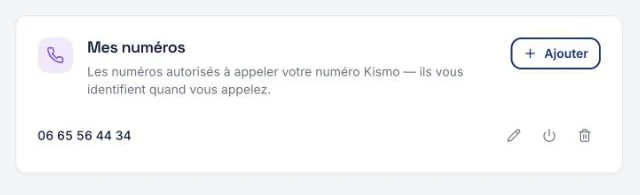
Only the phone numbers declared in your account can create notes on your organization's KISMO number. The organization adds them, labels them and disables them whenever it decides.
Hosting in France
Your data is hosted at OVH, in France. Backups are automatic.
How long your content lives
A deleted note stays in the trash for 30 days, then deletion becomes permanent. Video meeting recordings are kept by the recording provider for 7 days, then deleted. How video meetings work is detailed on their dedicated page.
Delete the audio, keep the knowledge.
You do not have to keep a recording in order to keep what it taught you. You can delete the audio: the validated knowledge remains, with its provenance. That is what lets you limit retention periods without losing anything your company knows.
KISMO makes itself visible.
For recording, you inform the participants and KISMO does not hide: a participant named KISMO in the video meeting, an arrival message, consent meeting by meeting. For a call, you let the person you are speaking with know.
AI processing
Transcription and analysis of your conversations rely on specialized artificial intelligence providers.
Answers to the most frequent questions are in the FAQ.